News
Zenith’s Retreat to High-End Watchmaking and What It Means for Swiss Component Suppliers
Zenith’s Retreat to High-End Watchmaking and What It Means for Swiss Component Suppliers
The stated drivers were the strong Swiss franc, US tariffs, and weak demand from the Middle East and Asia. The strategic conclusion drawn from those pressures is a deliberate exit from the middle market and a concentration on high-end watchmaking.
For suppliers of precision movement components, finishing services, and subcontracted manufacture, that announcement is not background noise. It is a demand signal, and it points in a direction that has concrete consequences for order volumes, specification requirements, and the competitive dynamics of the Swiss supplier base.
What the Middle Market Actually Demanded from Suppliers
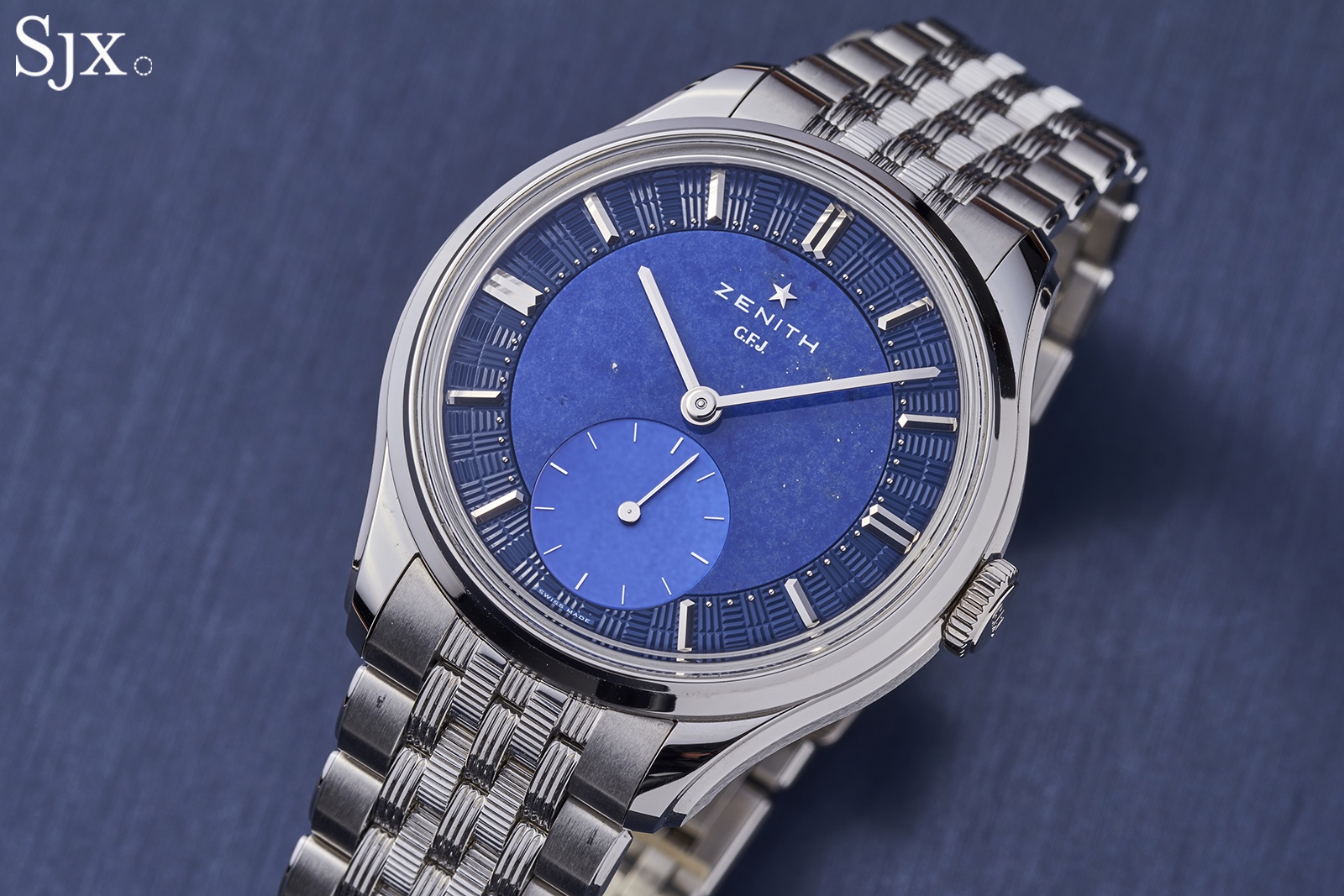
The middle segment of Swiss watchmaking is volume-dependent. Brands operating there require consistent throughput of components machined to tight but commercially manageable tolerances, finishing that is presentable rather than exceptional, and assembly capacity that can absorb meaningful production runs. Zenith’s manufacture in Le Locle was, by de Clerck’s own characterisation, oversized for the brand’s actual production volume—a mature, capable facility that could not be fed adequately at current demand levels.
That mismatch between installed capacity and order volume is a familiar problem for component suppliers who built relationships with mid-tier brands during more optimistic years. When a brand of Zenith’s scale contracts, the suppliers serving that tier feel it directly: fewer blanks ordered, fewer finishing passes commissioned, fewer escapement components moving through the pipeline. Zenith is not alone in making this move. De Clerck himself referenced the closure of Montblanc’s Le Locle factory as another data point in the same trend—established brands with significant manufacturing infrastructure concluding that the middle market no longer justifies the overhead.
The Movement-Supply Question Is the Critical Variable
What makes Zenith’s restructuring more complicated than a straightforward volume reduction is the movement-supply dimension. In 2024, LVMH announced plans to expand Zenith’s Le Locle manufacture specifically to supply movements to other group brands. Hublot had already been using Zenith movements for a decade.
That plan has since become less certain in its form. Last year LVMH took a minority stake in La Joux-Perret, a supplier arguably better positioned to serve the group’s broader movement needs at scale. The strategic logic of positioning Zenith as the group’s movement engine looks different now than it did in 2024. That said, de Clerck told Le Temps that the movement-supply side of Zenith’s business will continue into the new year with a full order book. For component suppliers currently serving that side of the operation, that is a meaningful short-term assurance—but the medium-term picture depends heavily on how LVMH ultimately allocates movement sourcing across its portfolio.
High-End Production Requires a Different Supplier Relationship
A pivot toward ultra-high-end watchmaking does not simply mean making fewer watches. It means making watches to a specification profile that demands more from every supplier in the chain. Surface finishing tolerances tighten. The acceptable variation in anglage, in perlage, in the geometry of bevelled bridges narrows. Component rejection rates rise not because quality control has failed but because the acceptance criteria have become more stringent. For a supplier accustomed to serving a mid-tier brief, recalibrating to that standard is not a trivial adjustment—it requires investment in tooling, in inspection equipment, and in the skilled labour that can hold those tighter windows consistently.
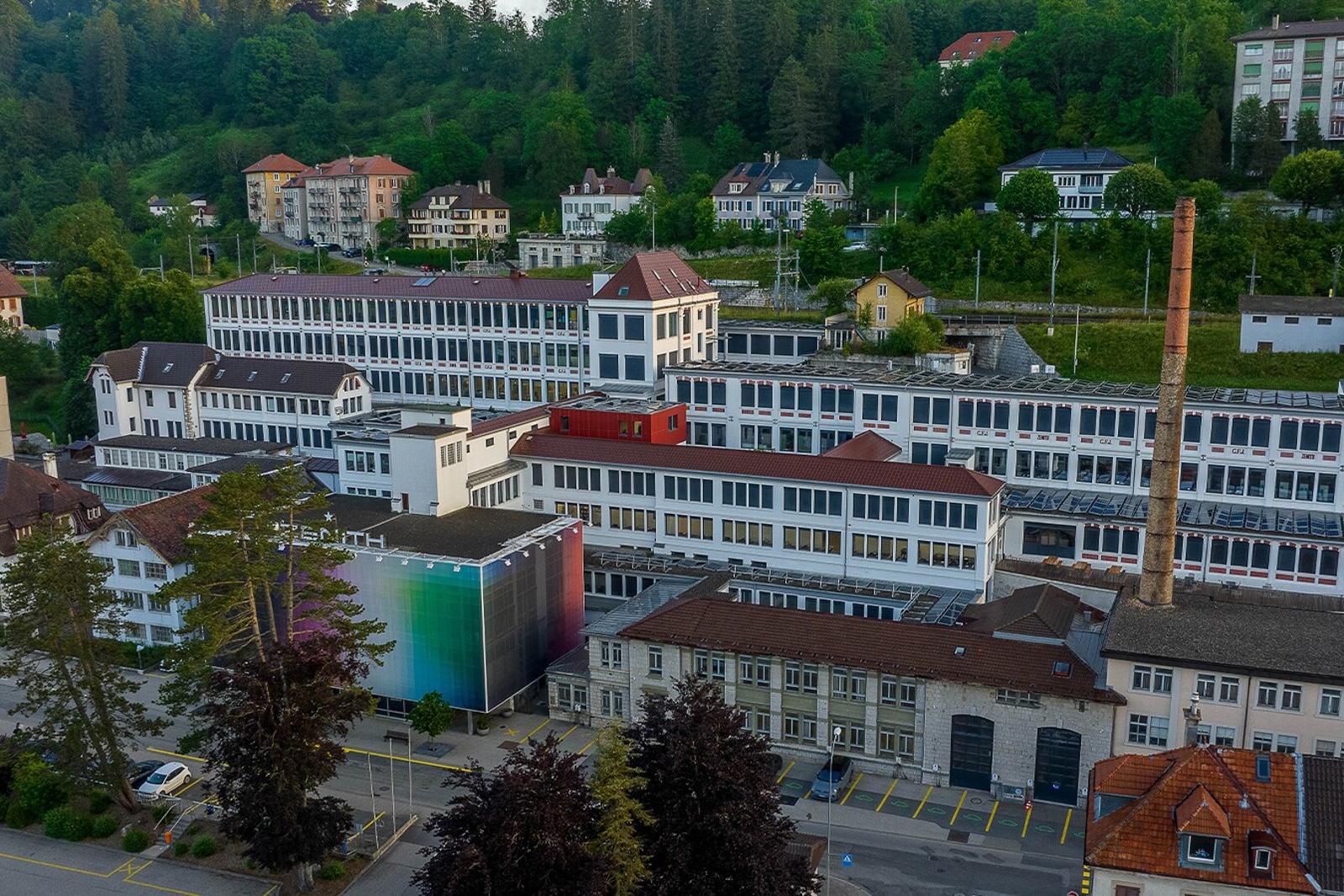
Zenith’s GFJ line, launched last year and widely read as a preview of the brand’s high-end direction, signals the aesthetic and mechanical register the manufacture is moving toward. That line represents the kind of work that places real demands on case finishing, movement decoration, and the precision of every subassembled component. Suppliers who can meet those demands will find themselves in a stronger position. Those who cannot will lose relevance to this customer regardless of their historical relationship.
The Broader Supplier Ecosystem Absorbs the Shift
The approximately 200 job reductions at Zenith represent a contraction of purchasing power and production demand that does not simply disappear—it redistributes. Some of that volume may migrate to independent brands growing in the high-end segment. Some may consolidate further within LVMH’s supply network as the group rationalises sourcing. La Joux-Perret’s expanded role within the group is one indicator of where some of that consolidation may land.
For Swiss component manufacturers, the practical implication is that the customer base for mid-tier volume work is shrinking, while the customer base for high-specification, lower-volume work is becoming more demanding and more selective. Suppliers who have invested in the capability to work at the upper end of the precision spectrum—whether in micron-level machining, hand-finishing, or complex movement subassembly—are better positioned for what the Swiss industry’s restructuring is producing. Those still optimised primarily for throughput will need to reassess their positioning as brands like Zenith, and apparently Montblanc, continue to exit the segment that sustained them.
Unia, Switzerland’s largest trade union, was scheduled to meet with Zenith management and employees the Monday following de Clerck’s announcement. The outcome of those discussions will shape the pace and terms of the workforce reduction, but the strategic direction itself appears set.